The sailing is at 11:40. By 09:15 the wind is pushing white streaks across the Sound and the text message lands: cancelled. It happens on every island route, several times a winter. It is rarely anyone's fault, and it is almost always survivable, provided you have thought about it before you booked. Here is what actually stops a ferry, and how to make sure a cancelled crossing costs you an afternoon rather than a week.
What actually stops a ferry
Most people assume it is the wind. Often it is, but not in the way you might expect. The question is rarely whether the vessel can survive open water. It is whether it can be brought alongside safely at both ends, and whether the berth is usable at all.
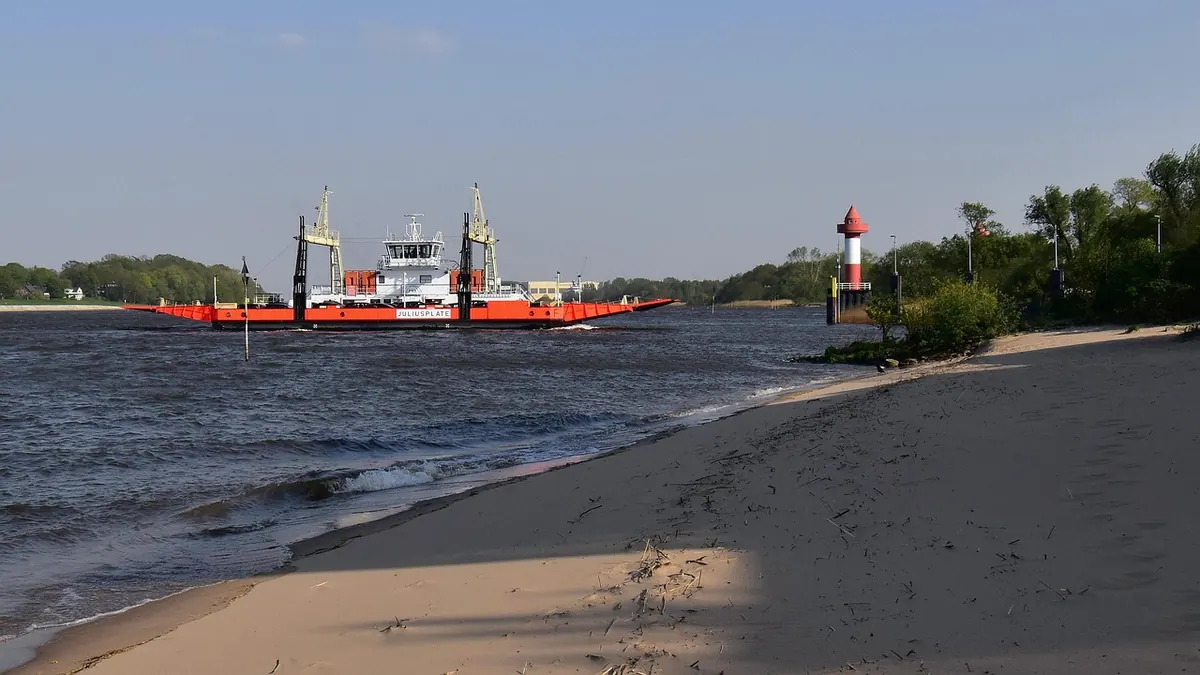
A ferry berths against a linkspan, the ramp that bridges the gap between ship and shore. In a strong crosswind, or with the ship rising and falling several feet against a fixed ramp, that connection becomes dangerous. Some ports require the vessel to turn in a tight space. Some harbours dry out at low water, so a boat can only enter on a particular tide. Add fog, ice, a mechanical fault, or a crew member who cannot be replaced at short notice, and you have a cancellation with nothing to do with the sea state where you are standing.
Swell is the quieter saboteur
Wind you can see and feel. Swell is what catches people out, because it can be a flat, blue, breezy afternoon on the pier and still be a no-go.
Swell is energy that has travelled hundreds of miles from a distant weather system. It arrives without local wind, sets the whole harbour moving, and makes berthing precisely the operation that fails. A long groundswell against an exposed pier will stop sailings while everyone ashore is enjoying sunshine. It is why "but it's a lovely day" is not an argument.
Size matters, but so do direction and period, the gap between one wave and the next. A short, steep chop is uncomfortable. A long swell is dangerous at the berth. Operators set their own limits for each vessel and route, and those limits shift with the tide and the wind direction.
The knock-on effect is the real problem
A single cancelled sailing does not usually mean a single missed crossing. It means the ship is in the wrong place, and it stays there.
- The vessel finishes the day at the wrong end of the route, so the next scheduled departure has nothing to sail with.
- Crew work within legal limits on hours of rest, so a boat that has already run late cannot simply keep going indefinitely.
- Vehicles queue up. When sailings resume, the backlog is loaded first, and a booked ticket does not always mean a place on the next boat out.
- On routes with one or two sailings a day, that can mean a wait measured in days, not hours.
This is why the sailing after the cancelled one is often the hardest to get onto, and why turning up in person still works better than refreshing a web page.
Build the plan before you book
The best time to think about a cancelled ferry is the week you book, not the morning you need it.
- Travel on the first sailing of the day. There is more of the day left to absorb a delay, and morning crossings often go before the wind builds.
- Pick a route with options. More than one sailing a day, or more than one operator, gives you somewhere to go when the first plan fails.
- Book accommodation you can move. Contact small island B&Bs directly. If you ask politely and early, many will shift a date at no cost rather than see you lose the room.
- Do not stack onward travel tightly. A non-refundable flight three hours after your ferry is due is a gamble. Give yourself a night at the port, or at least a full afternoon.
- Read your travel insurance wording. Some policies cover ferry delay, some exclude weather entirely. The small print matters far more than the certificate.
- Note a second port. Even one you could reach by car in a couple of hours can rescue a trip.
If you are heading for a small island with one boat and one sailing a day, budget a spare day at each end. It sounds extravagant. It is the price of reliability.
The morning it happens
- Check the operator's own channels first: website, app and social accounts. Third-party timetable sites lag behind.
- Sign up for text or email alerts when you book. The message usually arrives before the website updates.
- Ring or message the operator and ask the direct question: what is the earliest sailing you can realistically put me on, and should I travel to the port?
- Go to the port anyway if it is within reach. Standby works in person, and no-shows free up spaces.
- Rebook in one move: crossing, accommodation, onward travel. Ask about alternative routes and flexible tickets.
Staff at the terminal deal with this every winter. They cannot change the weather, but they can do things a website cannot: move you to another route, hold a place, or tell you honestly whether tomorrow looks any better. Most operators will transfer you to the next available sailing at no extra cost, but check the conditions of carriage for your specific route, as the detail varies.
A five-minute routine that saves a lot of grief
Before any island trip, do this and forget about it:
- Write down your sailing time, the check-in cut-off and the operator's phone number somewhere that works without signal.
- Note the two sailings after yours, and the last one of the day.
- Have a name and number for where you would sleep if you were stuck at the port.
- Warn whoever is meeting you that the ferry might be late, so they are not sitting in a car park for three hours.
None of this is about expecting the worst. It is about being the calm person at the terminal while everyone else discovers, at the desk, that the island has its own ideas about the timetable. The weather is part of the deal, and the islands are worth it.
Photo: HelgaKa / Pixabay