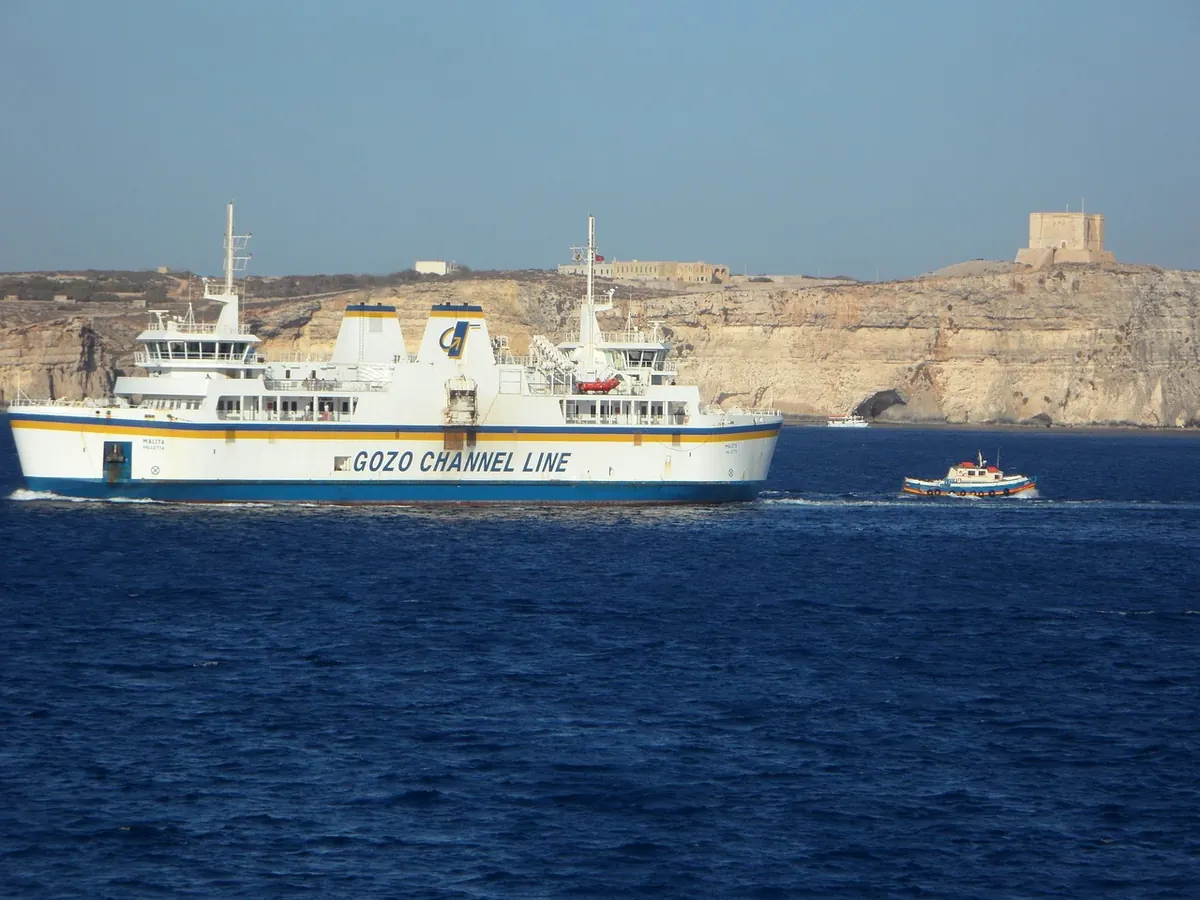
Half the pleasure of a small British island is that it fits you, rather than the other way round. Ten miles across, a bus that runs four times a day, a ferry you board on foot with a rucksack and a coffee — that is a different kind of break to the one where you spend the first hour hunting for a parking space near the harbour. Leaving the car at home is not a sacrifice. It is usually cheaper, always simpler, and it slows you down to exactly the right speed for an island.
Choose an island that suits a car-free week
Some islands make the decision for you. Sark has no cars on its public roads, Herm has none at all, and Lundy runs on tractors and a couple of service vehicles. On islands like these, walking is the transport network and nobody thinks twice about it.
Others simply have good enough buses, trains and paths to make a car unnecessary. The Isle of Wight, the Isle of Man and Anglesey all combine decent public transport with compact distances. Arran, Bute and Mull work well if you plan around timetables rather than against them. The Isles of Scilly are almost designed for it: a boat from Penzance, buses on St Mary's, and inter-island boats to fill the rest of the week.
Be honest about how much walking you actually want. A week on a three-mile island is a delight; pretending you will walk fifteen miles a day across a large one is how holidays turn sour.
Book the crossing as a foot passenger
Foot passenger fares are typically a fraction of the vehicle fare, and on many routes you do not need to book more than a few days ahead. On others — small islands with a single boat, popular summer sailings — book early, because the boat fills whether or not it takes cars.
Two things to check before you pay:
- Whether bikes can be carried, and whether they need reserving separately.
- What the last crossing of the day is, and what happens if it is cancelled.
Several operators sell combined rail-and-sail tickets, which can cover the train to the port and the ferry in one booking. If your route offers it, take it; it is one less thing to think about, and if a train is delayed the ferry company knows about it.
Get to the port without the car
Most island ferries leave from somewhere you can reach by train. Portsmouth Harbour to Ryde Pier Head puts you a few steps from the Island Line train. Lymington to Yarmouth, Ardrossan to Brodick, Oban to Craignure, Wemyss Bay to Rothesay, Heysham and Liverpool to Douglas: all workable without a car.
The awkward part is usually the last mile to the terminal. Some ports are a short walk from the station; others are a bus ride or a taxi away, and that bus may not run on a Sunday. Look it up in advance rather than at the barrier. If the journey is long, break it: a night in the port town turns a stressful connection into the first evening of the holiday.
Learn the island bus network before you arrive
Island buses are not city buses. They are often run to meet ferries, they thin out dramatically in the evenings and on Sundays, and in the countryside you may need to put an arm out to stop one. Download the timetable before you travel, because signal in the middle of a moor is not guaranteed.
A few habits make everything easier:
- Check the day's last bus at the start of the day, not at the end of it.
- Ask the driver about day returns, weekly tickets or rovers — they usually exist and are rarely advertised.
- Carry some cash as a backup, alongside a card or phone.
- Arrive at the stop a few minutes early; island buses are often punctual and occasionally early.
Build the week around footpaths and foot ferries
Long-distance paths take the guesswork out of route planning. The Isle of Wight Coastal Path, the Arran Coastal Way, the Anglesey Coast Path and the Raad ny Foillan on the Isle of Man all link villages with accommodation and bus stops, so you can walk a section and ride back. Small foot ferries, where they exist, can save you a long detour around an estuary or a headland.
Treat the map as a suggestion and the tide table as law.
That applies most obviously to tidal causeways. The crossing to Lindisfarne is covered at high tide and the safe window is short; safe crossing times are published and should be followed exactly, not estimated. Elsewhere, cliff steps and boggy moorland make a three-mile section take far longer than the distance suggests. Plan one gentle day for every two ambitious ones.
Hire bikes, and book them in advance
Bike hire is available on most of the larger islands, and electric bikes have made the hillier ones genuinely enjoyable. Reserve in peak season, confirm opening hours, and ask whether the shop will deliver to the ferry terminal or your accommodation. If you are bringing your own bike, check the ferry's rules on carriage and booking — space is often limited and allocated.
Leave room for weather and cancellations
Island ferries get cancelled when the wind gets up, and the bus you planned to catch home may not exist on a Sunday in November. Never book a tight same-day connection between a ferry and a train on the mainland. Add a buffer, have a fallback plan, and accept that a weather day is a good excuse for a long lunch. Shoulder seasons are quieter, cheaper and often lovely, with the trade-off of fewer sailings.
The week before you go: a car-free checklist
- Ferry tickets bought, crossing times noted, and saved offline on your phone.
- Bus and train timetables downloaded or printed.
- Accommodation within walking distance of a stop, the harbour or a shop.
- Bike hire reserved, with collection times confirmed.
- Paper map or downloaded maps, plus a battery pack.
- Tide times checked for any causeway, beach walk or foot ferry.
- One taxi number saved as a safety net.
- A bag you can comfortably carry for a mile, and a waterproof that actually works.
Do that, and the week runs itself. You will see more of the island than you would from a car window, spend less time looking for somewhere to leave a vehicle, and come home with the slightly smug feeling of someone who did it properly on foot.
Photo: Efraimstochter / Pixabay